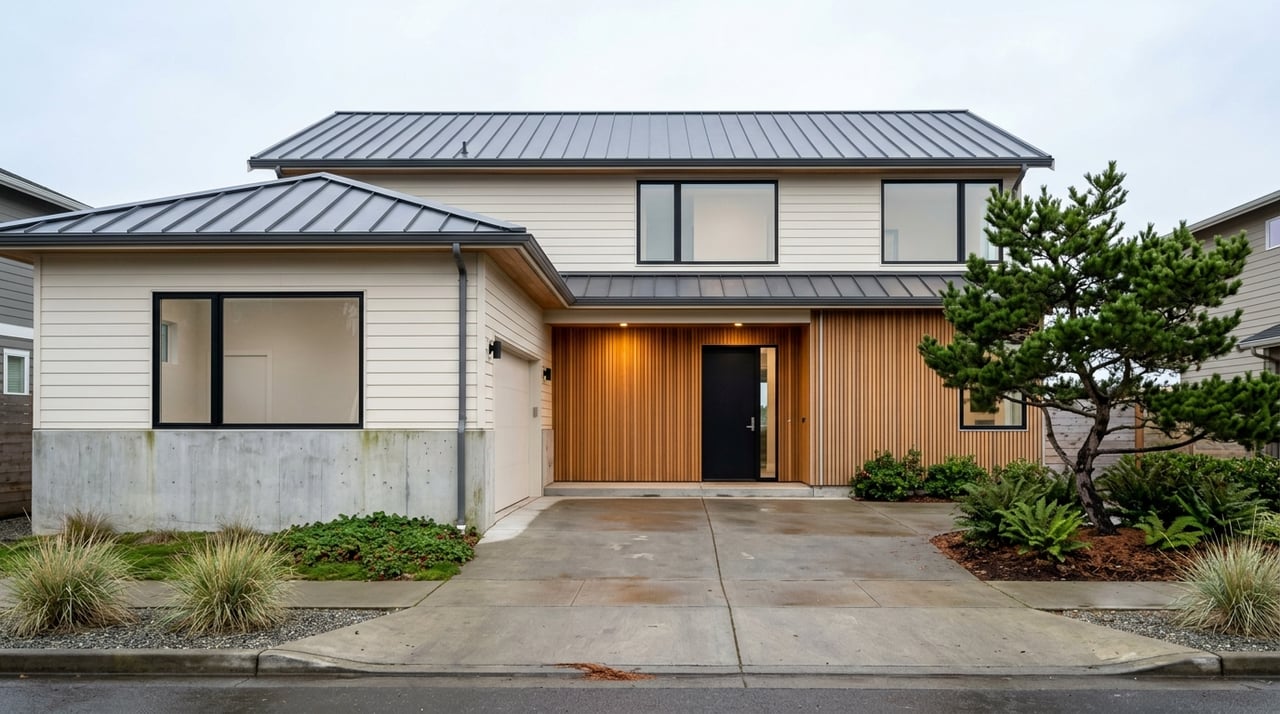
Evaluating a Lincoln City Beach Home Investment
July 16, 2026
July 16, 2026
If you are thinking about buying a beach home in Lincoln City as an investment, it is easy to focus on ocean views and rental income first. But in this market, the better question is whether the property works as an investment on paper before you ever count on peak-season bookings. If you understand tourism patterns, local short-term rental rules, tax costs, and property-specific risks, you can make a much more confident decision. Let’s dive in.
Lincoln City sits in a coastal market shaped heavily by tourism. Lincoln County says tourism has replaced timber and fishing as the county’s largest industry, and the area can see major population swings on busy tourist weekends.
That matters because visitor demand helps support interest in second homes and vacation-oriented properties. Lincoln County also reports about 5 million overnight tourists each year, and Lincoln City already has more than 2,000 hotel, motel, bed-and-breakfast, and resort rooms. That tells you demand is real, but it also tells you the lodging market is competitive and established.
Lincoln City’s housing mix can shape what you find and how you evaluate it. City planning materials describe the housing stock as 68% single-family, 25% multifamily, and 7% mobile homes.
The same materials show a meaningful share of older homes, with 40% built before 1970 and 15% built in 2010 or later. For you as a buyer, that means property condition, deferred maintenance, and renovation needs should be part of your investment review from the start.
Housing use also stands out. In the city addendum, housing tenure and vacancy were listed as 27% owner-occupied, 31% renter-occupied, 35% seasonal, and 7% vacant, which supports the idea that seasonal and second-home ownership are a real part of the local housing picture.
Current Census QuickFacts place the median value of owner-occupied housing units at $412,700 in Lincoln City, compared with Oregon’s statewide median of $477,600. That does not automatically make Lincoln City a bargain, but it does give you a baseline for comparing values within the broader state context.
One of the biggest mistakes investors make is assuming coastal demand stays flat all year. Lincoln City says July and August are peak months, and spring break is another busy period.
The city also points to year-round draws like kite festivals, a large Fourth of July celebration, and seasonal events through Halloween and Christmas. That is encouraging, but it still supports a conservative approach rather than an overly optimistic one.
If you are evaluating income potential, it is smarter to plan for:
This kind of underwriting can help you avoid building your numbers around best-case scenarios. A property that still makes sense with uneven occupancy is usually a safer investment candidate.
In Lincoln City, not every beach home can simply become a nightly rental. The city defines a short-term rental as a dwelling unit used on a daily or weekly basis for stays of 30 days or less.
That definition matters because occasional personal use does not automatically give a property lawful short-term rental status. If your plan includes nightly or weekly bookings, you need to confirm the property is legally set up for that use.
This is one of the most important details for investors. In certain residential zones, Lincoln City caps the number of short-term rental licenses.
The city says the R1-5 cap is 194 licenses and the R1-RE cap is 91 licenses, and both caps have been reached. No new licenses are being issued in those zones until the count drops below the cap.
For you, that means an approved property may carry investment appeal that goes beyond the structure itself. In some cases, the existing legal status may be just as important as the view, layout, or lot size.
Another key point is that short-term rental approvals are tied to the property owner. Lincoln City says those approvals are not transferable when the property is sold or transferred.
That means you should never assume a home’s past or current use guarantees your future ability to operate it the same way. Before closing, confirm exactly what approvals exist and what would be required after a sale.
If the property is inside Lincoln City limits, the city requires land use approval and a short-term rental operating license for short-term rental use. City documents also direct rental owners to a business occupation tax permit and transient room tax registration.
The city’s rental permit form lists a $50 application fee and a $100 annual fee for rental properties, though the form notes that the application fee does not apply when applying for a short-term rental license. Even small fees are less important than verifying whether the use is actually allowed.
Lincoln City also states that a building must comply with both zoning use and building-code occupancy classification before staff approves a business occupation tax permit application. In simple terms, a property may not qualify for your intended use just because it looks like a good rental candidate.
This is why early due diligence matters. Before you get attached to projected income, confirm the legal use of the home, the zoning, and any building-related limitations.
If the property is outside Lincoln City limits and in unincorporated Lincoln County, the rules change. The Lincoln County Sheriff’s Office handles short-term rental licensing there.
According to the county, new applications cost $900 and renewals cost $650. The county also says its licensing program is intended to protect neighborhood livability, and its transient lodging tax rate is 12% effective January 1, 2024.
For investors comparing properties, this means city and county locations should not be treated the same. Your licensing path, costs, and compliance steps can differ based on where the home sits.
Gross income is not the same as net income. For short-term rentals inside Lincoln City, the tax stack usually includes the city transient room tax and the Oregon state lodging tax.
Lincoln City announced that its transient room tax increased from 9.5% to 12% on July 1, 2023. The Oregon Department of Revenue says the state lodging tax is 1.5% of the amount charged for occupancy.
The state also says mandatory cleaning, pet, booking, and processing fees can be subject to lodging tax. That is important because fee-heavy pricing may look stronger at first glance, while the actual net result can be different once taxes are applied.
When comparing Lincoln City beach homes as investments, be sure to account for:
A realistic budget will usually tell you more than a hopeful revenue estimate.
Beach property can be rewarding, but coastal ownership often comes with more wear and more risk than an inland second home. Lincoln County describes the area as temperate with about 71.93 inches of annual precipitation.
Lincoln City’s emergency information warns that heavy rains can lead to flooding, landslides, uprooted trees, and broken utility lines. Combined with the city’s older housing stock, this points to the need for careful inspections and stronger repair planning.
Lincoln City says a Floodplain Development Permit is required for work in flood zones. The city also participates in the National Flood Insurance Program, and federal law requires lenders to ensure flood insurance in special flood hazard areas.
The city’s pre-submittal checklist also flags bluff hazard erosion zones and natural resources overlay zones as separate review items. For you, that means location-specific issues may affect renovation plans, carrying costs, financing, or long-term maintenance.
If you want a practical framework, start with the basics before you think about upside. A strong candidate is usually one that already works from a legal, physical, and financial standpoint.
Before making an offer, consider confirming:
This kind of review can protect you from buying a property that looks promising online but does not fit your actual investment goals.
In Lincoln City, the strongest opportunities are not always the flashiest homes. Often, the better investment candidates are the ones with clear legal use, manageable risk, and realistic carrying costs.
A beautiful beach home can still become a difficult investment if licensing is not available, if hazard-related costs are high, or if your numbers depend too heavily on peak summer performance. On the other hand, a property with verified use, solid condition, and conservative projections may offer a much more stable path.
If you are weighing a second home, vacation-use property, or income-producing purchase in Lincoln City, it helps to work with someone who can keep the process grounded in facts and local due diligence. If you want help reviewing opportunities and sorting through the details, Yolanda Guzman is here to guide you with clear, responsive support.
Stay up to date on the latest real estate trends.


Working with Yolanda Guzman means more than just buying or selling a home—it means experiencing a higher level of service.