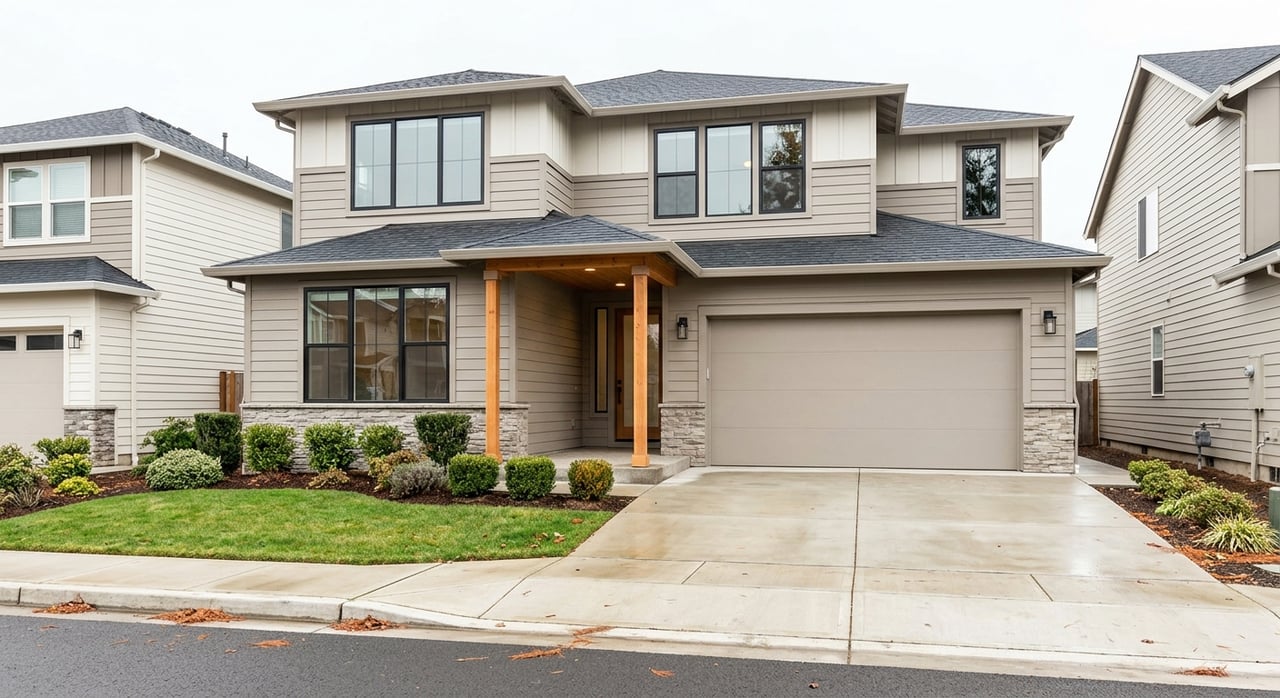
Is Dallas A Smart Alternative To Salem For Buyers?
June 18, 2026
June 18, 2026
If you are weighing Dallas against Salem, you are probably asking a very practical question: will moving a little farther out actually help you buy smarter? The short answer is yes for some buyers, but not because Dallas is dramatically cheaper across the board. The real advantage is in the tradeoff. You may find lower monthly ownership costs, a more detached-home-oriented housing stock, and a workable connection to Salem, depending on your priorities. Let’s dive in.
Dallas can be a smart alternative to Salem if you want a home search that leans more toward detached houses, owner-occupied neighborhoods, and somewhat lower carrying costs. The numbers support that view, but they also show that the gap is narrower than many buyers expect.
Salem still offers some advantages that matter in everyday life. Average commutes are shorter, and the city has a more urban mix of amenities, trails, and downtown activity. That means your best choice depends less on which city is “better” and more on how you want to live.
For buyers focused on price, Dallas does come in lower by recent median sale price. In May 2026, the median sale price was $434,690 in Dallas compared with $449,731 in Salem. That is a difference of about $15,000, or roughly 3%.
Official Census figures also point in the same direction. Owner-occupied home value was $389,100 in Dallas versus $416,900 in Salem, which puts Dallas lower by about $28,000. That suggests Dallas can offer savings, but it is more of a modest edge than a major discount.
Here is the nuance many buyers miss. Dallas had a higher median sale price per square foot in May 2026, at $290 compared with Salem at $268. So while the typical total sale price in Dallas was lower, the value equation may look different depending on the size and type of home you want.
If you are comparing homes, look beyond the headline price. A smaller updated home in Dallas may cost less overall but still command a strong price per foot. That is one reason side-by-side property comparisons matter.
For many buyers, monthly cost matters more than purchase price alone. That is an area where Dallas shows a clearer advantage in the data.
Median monthly owner cost with a mortgage was $1,916 in Dallas and $2,057 in Salem. That is a difference of $141 per month. Over time, that can make a real impact on your budget, especially if you are also planning for repairs, utilities, and other moving costs.
Rent levels are also lower in Dallas. Median gross rent was $1,209 in Dallas versus $1,400 in Salem, a difference of $191 per month. If you are deciding whether to keep renting longer or buy sooner, those numbers help frame the local cost landscape.
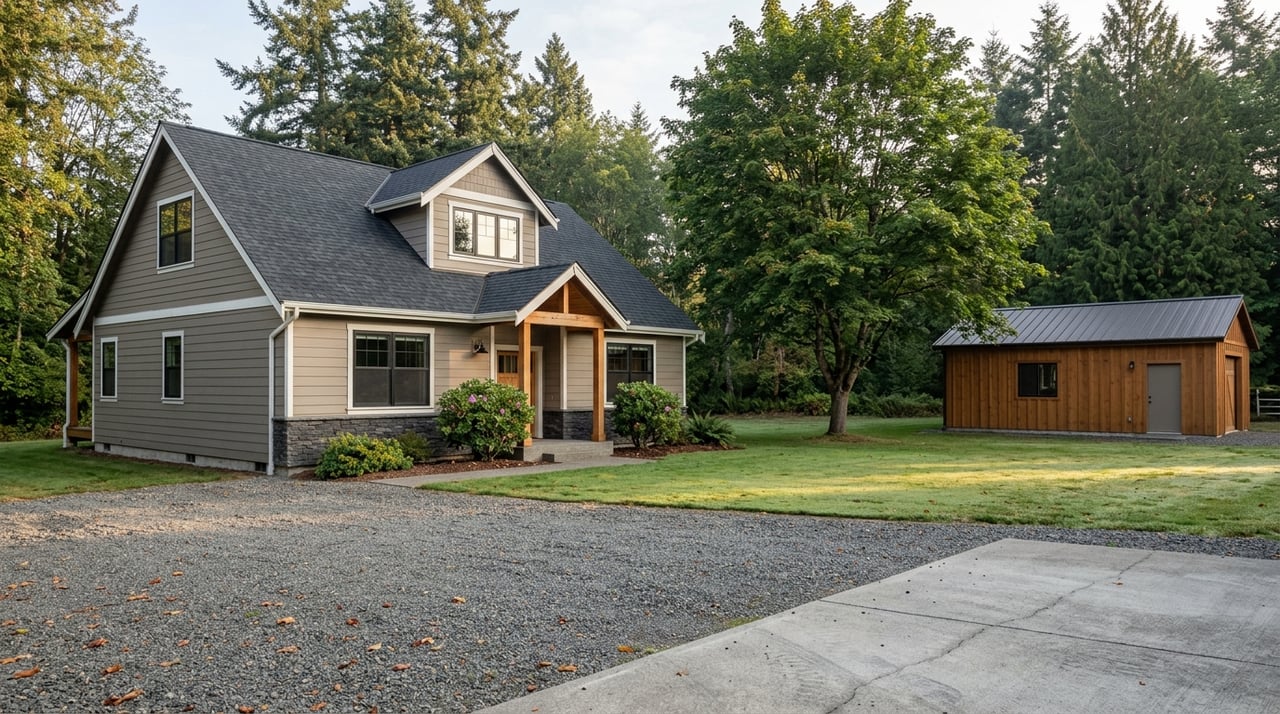
One of the clearest differences between Dallas and Salem is the housing mix. Dallas is more oriented toward detached homes and ownership.
Census Reporter shows that 70% of housing structures in Dallas are single-unit, compared with 61% in Salem. Dallas also has a higher owner-occupied share, at 68%, while Salem comes in at 55.9%. If your goal is a more traditional detached-home search, Dallas may feel more aligned with that path.
Dallas’s adopted housing analysis says the city’s housing stock is dominated by single-family detached homes. It also notes smaller shares of townhomes, plexes, and multifamily housing, while identifying future attainable options like cottage homes, townhomes, plexes, manufactured home parks, and apartments.
In practical terms, that means Dallas often appeals to buyers who want a yard, a standalone home, or a more small-scale residential feel. It can also be worth a look if you are open to property types beyond the standard suburban house, including manufactured housing or land-oriented opportunities.
Salem’s Housing Needs Analysis points to a different pattern. The city has a broader mix of housing types and has made policy changes around ADUs and middle housing. The downtown area also notes new residential rental units being built in the core.
For you as a buyer, Salem may offer more variety if you want options like attached housing, infill development, or a more urban residential setting. That wider mix can be a plus if lifestyle and location flexibility rank high on your list.
Yes, Dallas can work for Salem commuters, but you should go in with realistic expectations. Dallas’s transportation report says free-flow travel from Dallas to Salem is about 25 minutes. That can make the move very reasonable for some buyers, especially if your schedule avoids the busiest travel times.
The catch is that free-flow travel is not the same as peak-hour reality. Actual commute times will be longer during busier periods, so your daily timing matters a lot. If you are considering Dallas because you work in Salem, test the route during the hours you would actually drive.
The broader commute numbers lean toward Salem for convenience. Mean travel time to work is 22.0 minutes in Salem versus 27.1 minutes in Dallas.
That gap does not make Dallas unworkable. It simply means Salem tends to offer a shorter average trip to work. If saving time each day is one of your top priorities, that is an important tradeoff to keep in mind.
Dallas is more auto-dependent. Commute mode data shows 69% of workers drove alone, 13% carpooled, 0% used public transit, 1% bicycled, 4% walked, and 11% worked from home.
Salem shows a slightly more varied transportation pattern, with 64% driving alone, 12% carpooling, 1% using public transit, 1% bicycling, 4% walking, and 15% working from home. If you want more built-in transportation options, Salem has the stronger case.
The choice between Dallas and Salem is not just about housing numbers. It is also about what kind of day-to-day setting feels right to you.
Dallas highlights a town square, business districts, neighborhoods, parks, a senior center, a library, and community events. The city says it aims to preserve its small-town character in the mid-Willamette Valley. That can appeal to buyers who want a quieter setting without feeling disconnected from nearby employment and services.
Dallas City Park is the largest park in town at 35 acres and includes an arboretum and Japanese garden. The city also has additional park amenities, but the overall transportation and activity pattern feels smaller-scale and more car-first.
For some buyers, that is exactly the point. If you want a community feel with a more detached-home-oriented environment, Dallas may check important boxes.
Salem’s downtown messaging is more urban in tone. The city describes downtown as a vibrant destination with shops, entertainment, historic streets, Riverfront Park, and trail connections to Minto-Brown Island Park and Wallace Marine Park.
The city also notes more than 20 miles of trails downtown, along with continued additions to trails, bike lanes, sidewalks, and pedestrian improvements. If you value easy access to a more active downtown and connected outdoor amenities, Salem may fit you better.
Dallas is a smart alternative to Salem when your priorities include lower monthly carrying costs, a more detached-home-heavy market, and a commute to Salem that feels manageable for your schedule. It is especially worth considering if you are looking for a practical purchase rather than a dramatic bargain.
At the same time, Dallas is not automatically the cheaper choice in every way. The overall price difference is fairly modest, and the price per square foot can run higher. Salem may be the better fit if you want shorter average commutes, broader housing variety, and more city-style amenities close at hand.
If you are torn between Dallas and Salem, focus on the questions that affect your daily life most:
The right answer usually becomes clearer once you match the data with your actual routine, budget, and housing goals. That is where local guidance can save you time and help you compare opportunities more confidently.
If you are exploring Dallas, Salem, or both, Yolanda Guzman can help you weigh the tradeoffs, compare homes carefully, and move forward with a plan that fits your budget and lifestyle.
Stay up to date on the latest real estate trends.
Working with Yolanda Guzman means more than just buying or selling a home—it means experiencing a higher level of service.