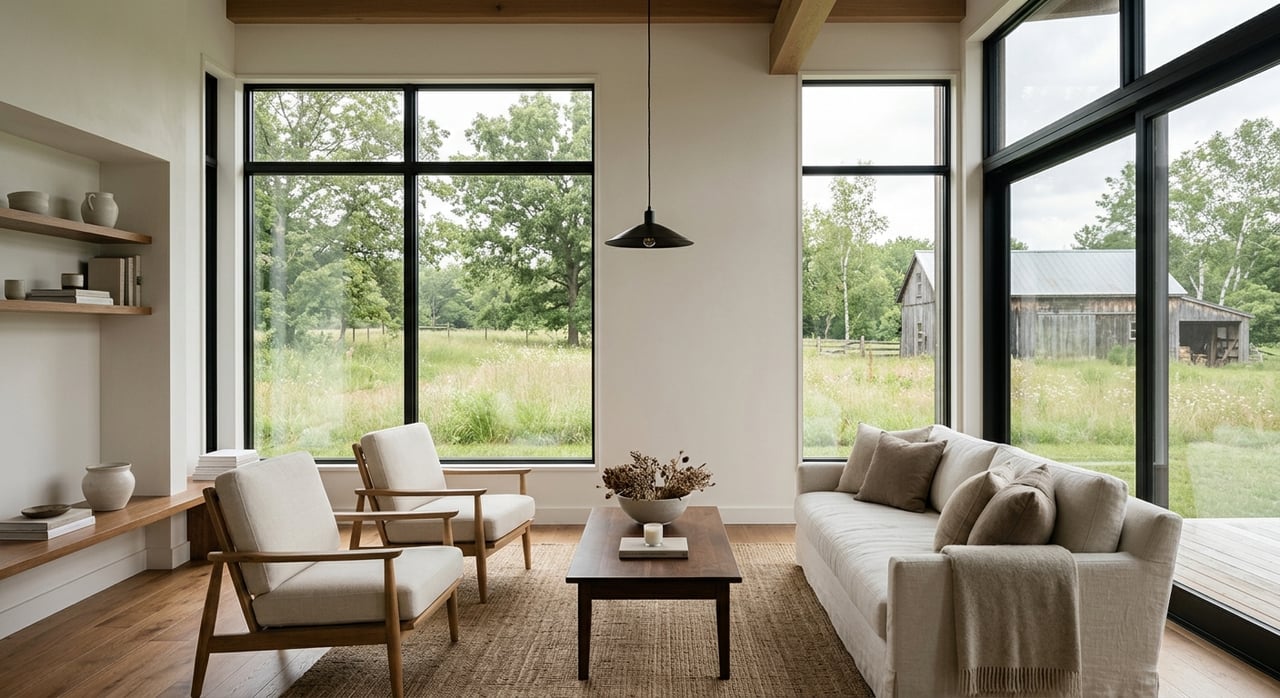
What To Expect When Buying A Home On Acreage In Boring
July 2, 2026
July 2, 2026
Dreaming of a little more space in Boring? Buying a home on acreage can give you room to spread out, add privacy, and enjoy a different pace, but it also comes with a very different checklist than a typical suburban purchase. If you are considering acreage in Clackamas County, knowing what to verify before you write an offer can save you time, money, and stress. Let’s dive in.
When you buy acreage in Boring, the parcel itself often matters more than the street address. Two properties that seem similar online can have very different zoning, access, utility options, and building potential.
In Clackamas County, rural residential and future urban districts can include RA-1, RA-2, RR, RRFF-5, FF-10, and FU-10. Allowed uses and minimum lot sizes vary by district, so you should confirm the exact zoning before assuming a home addition, shop, barn, or future project will work on the property.
The county’s CMap tool can help you check whether a property is inside a city or urban growth boundary, what zoning applies, who provides services, and which natural hazards may affect the site. The county also notes that CMap is not survey quality, so you should treat it as a starting point rather than the final word on boundaries.
Acreage buyers often focus on how many acres they are getting, but buildability depends on more than lot size. Clackamas County looks at whether the parcel was legally created, whether zoning allows the intended use, whether there is street access, and whether the site has sewer or an approved onsite system, stormwater capacity, and potable water.
That means you are not only buying land and a house. You are also buying the property’s infrastructure status, and that can shape what you can do now and later.
On acreage, access is not always as simple as turning off a paved public street into a driveway. Some properties rely on private roads, easements, or flag-pole access strips, and those details can affect both financing and long-term ownership experience.
Clackamas County requires private roads and access drives to meet roadway standards, including intersection sight distance and clear zones. When a property uses an easement or a flag-pole strip for access, the minimum width is generally 20 feet unless the county and the fire district approve something narrower.
If the home uses a private roadway, the county says future maintenance responsibility should be addressed through a formal maintenance agreement or similar arrangement. In practical terms, you want to know who maintains the road, how costs are shared, and whether expectations are documented before you close.
One of the biggest differences with acreage in Boring is that services may not work the same way they do in a typical subdivision. You should verify who actually provides garbage, fire service, water, sewer, and cable instead of assuming the property has standard city-style service.
CMap can help identify listed service providers, but it is still wise to confirm the details during due diligence. This matters because utility setup affects both your monthly costs and your day-to-day convenience.
For many acreage properties, the water source is a private well. That makes water quality and well documentation a major part of the buying process.
In Oregon, when a real estate transaction involves a domestic well, the seller is generally required to test the well water and share the test results and Real Estate Transaction form. The required test includes arsenic, nitrate, and coliform bacteria, and the results are valid for one year. Some wells are exempt, including certain spring wells, irrigation-only wells, and wells on undeveloped land.
Oregon health guidance also says private well owners are responsible for the safety of their water and recommends annual testing. Groundwater can be affected by bacteria, naturally occurring contaminants, land-use practices, and nearby septic systems, so a clean result today should be part of your ongoing ownership plan, not a one-time box to check.
If a home is not served by community sewer, the property may rely on an onsite wastewater system. In Clackamas County, septic records are an important part of acreage due diligence, but they are not always complete for every property.
The county says its records are complete for septic systems built after the mid-1970s, though some newer homes may still have missing records if they were connected to pre-existing systems. That makes record review especially important when you are evaluating an older rural property or planning future improvements.
Septic approvals are site-specific and can remain valid indefinitely unless site conditions change in a way that makes a code-compliant system impossible. For example, if an approval area is later graded or a well is installed there, the prior approval may no longer work.
The county also notes that septic approval requests can take several weeks during the busy summer season. If a property still needs site evaluation or septic verification, you should expect that step to add time to your due diligence period.
A septic system does not just sit in a small corner of the yard. For an average 1- to 4-bedroom house, Clackamas County says to plan roughly a 100-by-100-foot area for a standard drainfield and repair area.
That is a major reason usable land can feel smaller than the total acreage number suggests. If you hope to add a shop, barn, or other structure later, septic layout and setbacks can become a major design limit.
A lot of buyers look at acreage because they want extra flexibility. Maybe you want a shop, a pole building, a barn, or an ADU for multigenerational living or future rental options. Those features may be possible, but you should not assume they are guaranteed just because the lot looks large.
Clackamas County permits garages and pole buildings only as accessory structures to a primary use. That primary use must already exist or be applied for at the same time, and the county also reviews setbacks and whether the structure can avoid drainfields and septic setbacks.
In rural residential districts, accessory-building setbacks vary by parcel and zone. That means placement matters, and a large-looking property may still have a smaller practical building envelope than you expect.
As of September 3, 2024, Clackamas County allows ADUs in more rural residential areas, but not in EFU, AG/F, or TBR zones. If an ADU is part of your long-term plan, zoning verification should happen very early.
There is also a budget angle. The county says transportation system development charges are not assessed on residential accessory structures like garages and shops, but they are assessed on new single-family homes, ADUs, and manufactured homes.
Acreage purchases usually require more specialists than a standard suburban home purchase. A general Oregon home inspection is a visual inspection of the house, but it typically does not cover features apart from the main structure, such as septic systems, wells, underground piping, and pools.
That is why acreage buyers often bring in separate well and septic specialists. If property lines, easements, or buildable areas are unclear, a land surveyor may also become important, especially since county mapping tools are not survey quality.
Because there are more moving parts, acreage transactions often need a longer and more contingency-heavy due diligence period than a typical suburban purchase. Well test review, septic records, survey questions, and county access checks can all take time.
This does not mean acreage is harder to buy. It means the process benefits from patience, clear expectations, and a careful review of parcel-specific details before you move forward with confidence.
Buying acreage in Boring is not only about getting more room. It is also about taking on a different style of property care.
Private well owners should test water annually. Septic systems may need pumping or drainfield root removal over time. Private roads may require shared maintenance planning. On larger lots, vegetation management also becomes part of regular upkeep.
For wildfire resilience, Oregon’s fire guidance recommends starting with the first five feet around the home, keeping grass mowed, and removing debris and ladder fuels. These are normal parts of owning acreage in Clackamas County, and understanding them up front can help you choose a property that truly fits your goals and comfort level.
Buying a home on acreage in Boring can be a great move if you want space, flexibility, and a more land-focused lifestyle. The key is to look beyond the listing photos and ask smart questions about zoning, access, utilities, wells, septic, and future building plans.
When you understand how the parcel functions, you can make a stronger decision and avoid surprises after closing. If you want a responsive guide who can help you think through acreage-specific questions in Boring and the surrounding area, Yolanda Guzman is here to help.
Stay up to date on the latest real estate trends.
Working with Yolanda Guzman means more than just buying or selling a home—it means experiencing a higher level of service.