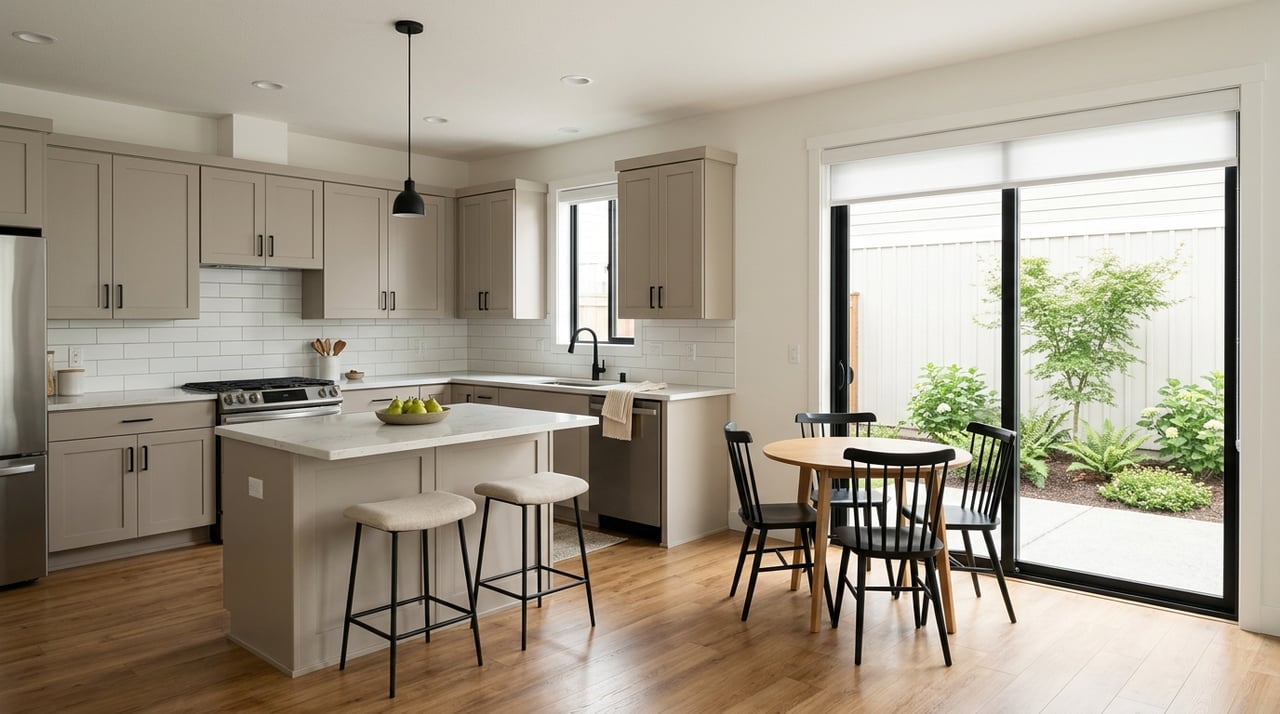
How to Sell a Gresham Starter Home and Move Up
June 4, 2026
June 4, 2026
Outgrowing your first home can feel exciting and stressful at the same time. You may be wondering how to sell your Gresham starter home, unlock your equity, and move into a place that fits your next chapter without getting stuck carrying two homes at once. The good news is that with the right plan, you can make a move-up transition with more clarity and fewer surprises. Let’s dive in.
If you are selling a starter home in Gresham and moving up, the local market gives you opportunity, but it also calls for planning. Over the three months ending in April 2026, homes in Gresham sold in about 35 days on average, received about 2 offers, and had a median sale price of $469,757.
That tells you this is still an active market, but not one where you should assume your home will sell overnight. Realtor.com’s March 2026 snapshot also showed a median listing price near $489,000, median days on market of 41, and about 454 homes for sale. For a move-up seller, that means timing matters because there may be some overlap between your sale and your next purchase.
Gresham also has a broad range of price points within the city. Reported median listing prices ranged from about $236,950 in Northeast Gresham to about $699,000 in Gresham Butte, with ZIP code medians around $427,000 in 97030 and $535,000 in 97080. That spread matters because it shows you may be able to move into a different home style, size, or price tier without leaving Gresham or nearby Multnomah County.
Before you list, focus on the work that builds buyer confidence. A pre-sale inspection is not required, but it can help uncover issues that may affect pricing or negotiations. If you find a larger repair item, it helps to price the fix even if you decide not to complete it before listing.
Presentation still matters. Cleaning, decluttering, curb appeal improvements, and staging can make your home easier for buyers to understand and compare. The goal is not perfection. The goal is to help buyers see the home clearly and feel confident about its condition.
In Oregon, documentation matters too. If you have completed repairs or remodeling, buyers may ask for invoices or records that show the work was done properly and, when needed, permitted. Gathering those papers early can save time once offers start coming in.
You should also collect manuals and warranties for appliances and systems that will stay with the home. These details may seem small, but they help create a smoother handoff and show buyers that the home has been cared for.
If your starter home was built before 1978, there is an added layer to prepare for. Most residential sales of older homes require disclosure of known lead-based paint and lead hazards, along with delivery of the lead-hazard information pamphlet.
That does not mean the sale becomes complicated by default. It simply means you should be organized before listing, especially if you have done paint or repair work. If your home falls into this category, make sure your disclosure process is handled carefully from the start.
In Oregon, seller disclosures are not just a formality. For many residential sales covered by state law, the seller must provide a seller’s property disclosure statement to each buyer who makes a written offer. That statement is based on your actual knowledge and covers topics like title, easements, water, sewage, insulation, structure, and major systems.
This matters in a move-up sale because disclosure timing can affect your transaction. In general, the buyer has five days from delivery of the disclosure statement to revoke the offer unless that right is waived. If a seller refuses to provide the form, the buyer may revoke at any time before closing.
That is why it helps to think of disclosure as part of your strategy, not just paperwork at the end. A well-prepared disclosure package can support a smoother transaction and reduce avoidable delays.
One of the biggest move-up decisions is whether to sell first or buy first. In many cases, selling first is the simpler path because it removes your current mortgage from the next round of underwriting and makes your available equity more predictable.
A buy-first plan can work, but it usually requires stronger reserves, strong credit, and lender support for a temporary financing strategy. Until your current home is sold or otherwise accounted for, lenders may still count the payment on that home along with the payment on the new one and your other recurring debts.
In a market like Gresham, where homes are moving but not instantly, this is an important distinction. You do not want to build your entire plan around a perfect same-week sale and purchase unless your finances can comfortably support that risk.
| Strategy | Potential upside | Main risk |
|---|---|---|
| Sell first | More predictable equity and cleaner underwriting | You may need temporary housing or flexible timing |
| Buy first | You can secure the next home before selling | You may carry two payments and face tighter qualification |
| Use temporary equity financing | Can help bridge timing gaps | Approval is not automatic, and monthly costs can rise |
If you are planning to move up, preapproval should happen before your starter home hits the market. This helps you understand what purchase price is realistic and what your monthly payment may look like once taxes, fees, and financing are included.
A preapproval is different from a casual online estimate. It means a lender has reviewed your credit and finances more closely. It is also smart to compare at least three loan offers and request three preapprovals so you can compare terms with limited credit impact when done within a short time.
When you compare lenders, pay close attention to the Loan Estimate. That is the document that helps you compare rate, fees, payment, and loan term in a meaningful way. Later, once you are under contract, you will also receive a Closing Disclosure at least three business days before closing so you can review your final numbers.
When you move up, the purchase price is only part of the monthly cost. In Multnomah County, property taxes are based on assessed values under the county’s framework, not just the list price you see on a home.
That means a home that feels affordable at first glance may land differently once taxes are part of the payment. Looking at the full monthly number early can help you avoid stretching too far.
Some move-up sellers plan to tap their current home equity to fund the next purchase. That can be possible through products like a home equity loan or HELOC, but these tools come with real obligations because your home is used as collateral.
HELOCs often have variable interest rates, and failure to repay can lead to foreclosure. There can also be a three-business-day right to cancel for many HELOCs and home equity loans secured by a principal residence, which can affect timing if you need funds quickly.
Bridge financing is another option, but it is not a casual shortcut. Lenders generally need to document that you can carry the new home, your current home, the bridge debt, and your other obligations. In other words, bridge loans can solve a timing issue for some households, but they do not remove the need for strong financial planning.
A move-up transaction has more moving parts than a first purchase. Knowing the common trouble spots can help you stay ahead of them.
If the appraisal on your next home comes in below the agreed sale price, you may need to renegotiate, bring more cash, or cancel depending on the contract terms. This is one reason to avoid stretching too far when you make an offer on your next home.
Once you are preapproved, try not to add new debt before closing. New car loans, furniture financing, or other recurring liabilities can change your debt-to-income picture and affect your approval.
Oregon guidance also warns sellers about wire fraud. Always verify wire instructions using a trusted phone number you already know, rather than relying on email alone.
Oregon now requires written buyer representation agreements in residential 1 to 4 unit transactions and written listing agreements before a property is offered for sale. If the same brokerage is involved on both sides, disclosed limited agency paperwork is also required. That makes early coordination especially important when you are buying and selling at the same time.
If you want a cleaner path from starter home to next home, focus on these steps first:
Moving up is not just about selling one house and buying another. It is about coordinating timing, financing, paperwork, and expectations so the next step feels manageable. With the right guidance, you can make smart decisions at each stage and protect both your budget and your peace of mind.
If you are thinking about selling your Gresham starter home and planning your next move, working with a responsive local advisor can make the process feel much more organized. For help with pricing, timing, buyer and seller strategy, and a smoother move-up plan, connect with Yolanda Guzman.
Stay up to date on the latest real estate trends.

Working with Yolanda Guzman means more than just buying or selling a home—it means experiencing a higher level of service.